
The Church, the Soul, and the Sound of the World
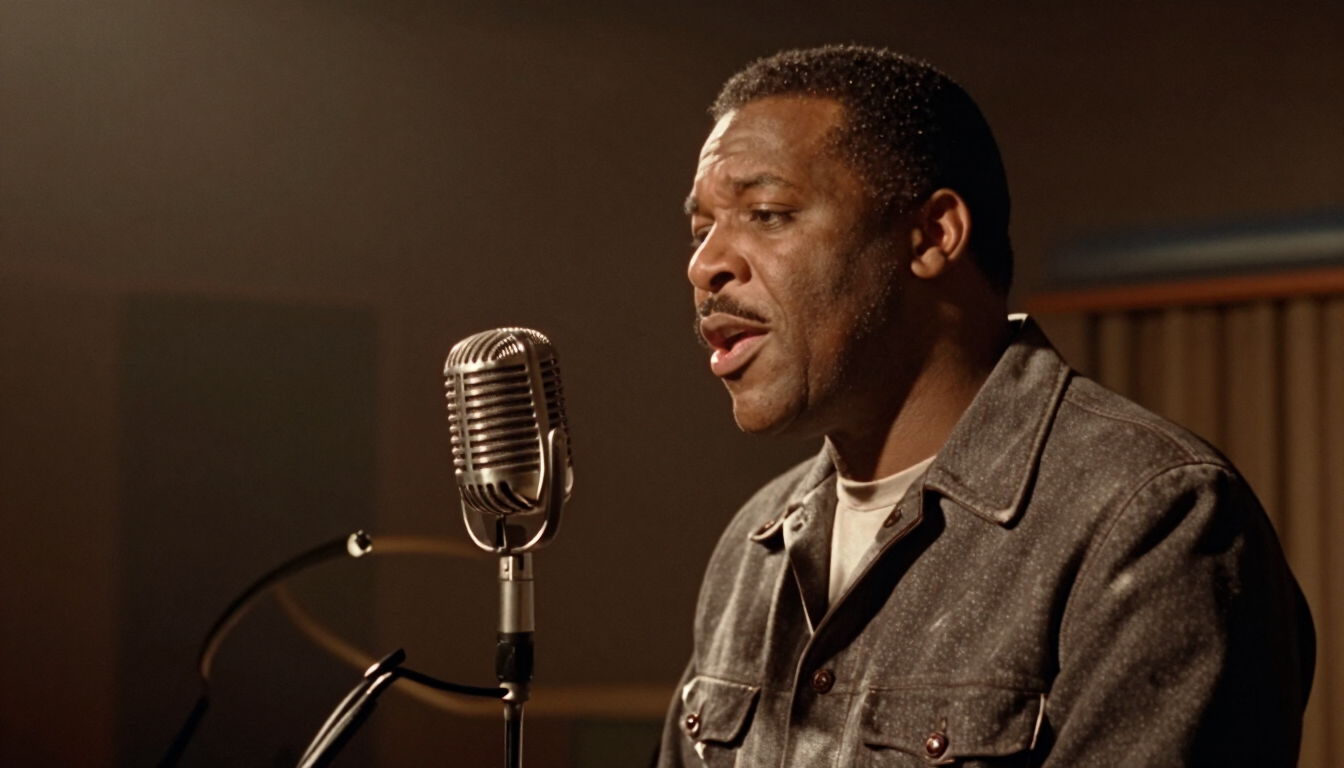
Long before soul music reached international charts, packed arenas, and television screens, many of its defining voices were raised in churches. Soul emerged in the United States during the late 1950s and 1960s, blending gospel’s emotional intensity with rhythm and blues, jazz, blues, and pop. Its most recognizable qualities — powerful vocals, call-and-response, repetition, testimony, and a sense of spiritual urgency — were deeply connected to the Black church.
The church was not simply a place where future stars learned to sing. It was a musical training ground, a community, and an environment in which performers learned how to move an audience. Choirs, revival meetings, Sunday services, and gospel quartets taught singers how to build tension, express vulnerability, improvise, and turn personal feeling into a shared experience. Those skills later became central to soul music.
From gospel to soul
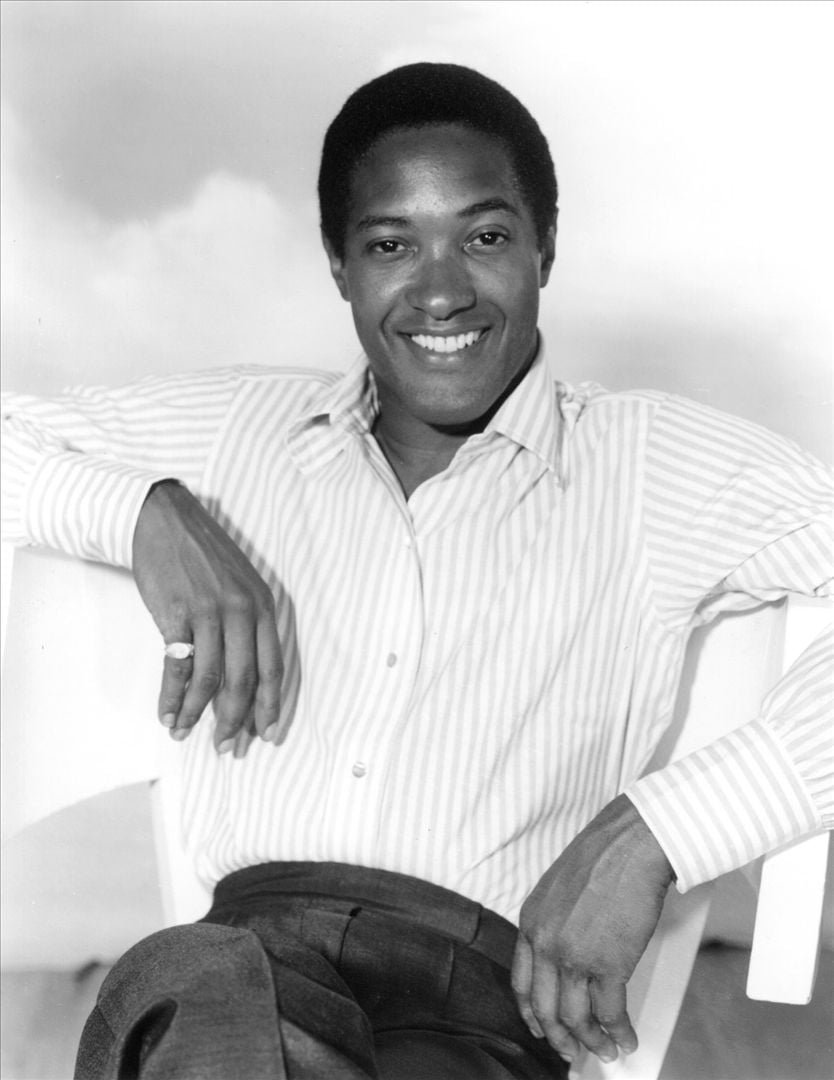
Gospel music provided soul with much of its emotional vocabulary. The lead singer often exchanged lines with a choir or congregation, creating the call-and-response pattern that became a foundation of soul, funk, rock, and popular music. Gospel also encouraged singers to stretch a phrase, repeat a word, cry, shout, whisper, or alter a melody in the moment. These techniques transformed a song from a fixed performance into something that felt immediate and personal.
As rhythm and blues became more prominent after World War II, musicians began bringing gospel’s sound into secular settings. Some religious leaders criticized the move, while others accepted it as a natural extension of a musical tradition. In either case, the connection was unmistakable: soul retained gospel’s vocal power and communal energy while addressing romance, heartbreak, social change, ambition, and everyday life.
The church roots of soul’s great stars
There is no single official number for how many successful soul artists began in the church. The answer depends on how “started in the church” is defined: some sang in choirs, some performed with gospel groups, some grew up as the children of ministers, and others learned the gospel repertoire before entering secular music. Even with those different definitions, the list of globally successful artists with substantial church or gospel backgrounds is remarkably long.
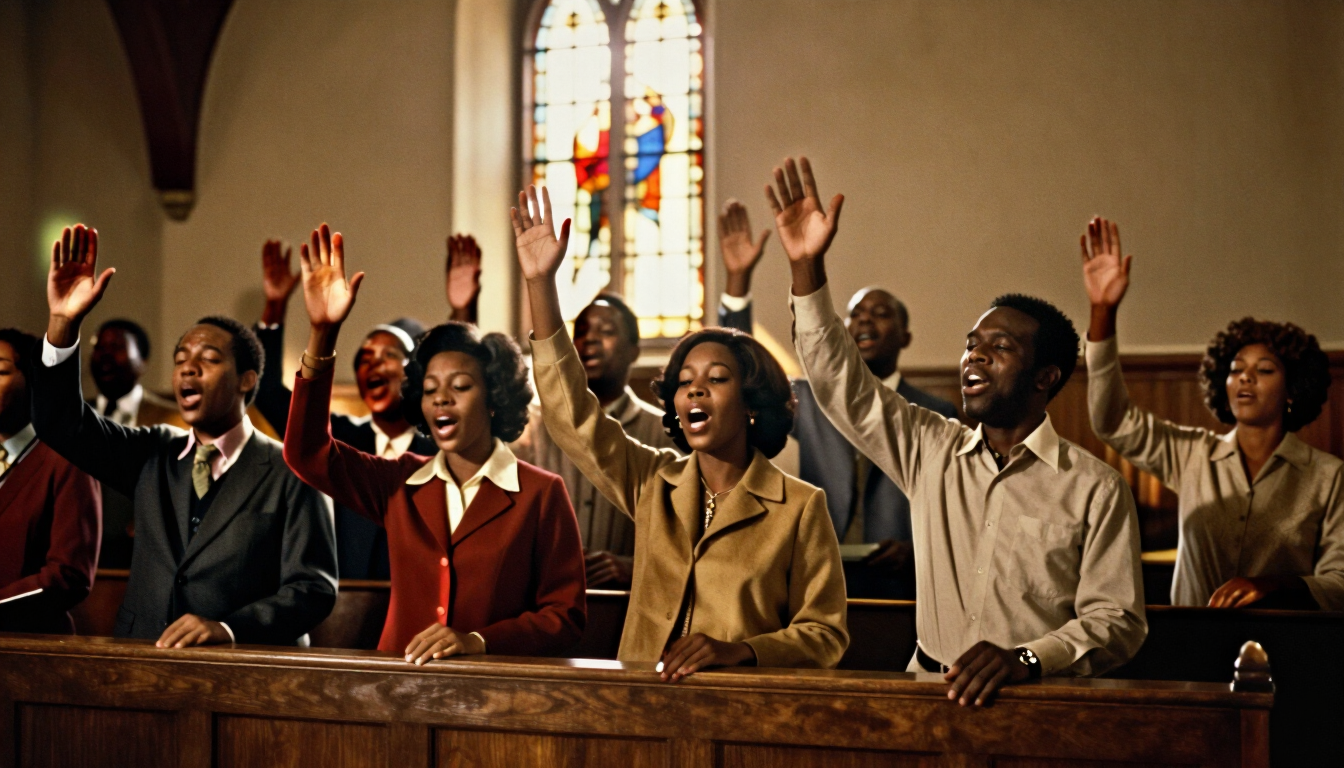
Aretha Franklin
Aretha Franklin is perhaps the clearest example of the church-to-superstardom journey. She grew up in the household of Reverend C. L. Franklin, one of the most prominent preachers of his era, and sang gospel at Detroit’s New Bethel Baptist Church. That foundation shaped the phrasing, control, and emotional authority that later made her known as the Queen of Soul.
Franklin’s secular recordings did not erase her gospel identity; they expanded it. Songs such as “Respect,” “Think,” and “(You Make Me Feel Like) A Natural Woman” carried the force of testimony. Her voice could sound conversational one moment and sermon-like the next, turning popular songs into communal declarations.
Sam Cooke
Sam Cooke began as a gospel singer with the Highway QCs before joining the Soul Stirrers, one of the most influential gospel groups of the period. His smooth, expressive tenor helped define the transition from gospel quartet singing to modern soul and pop.
Cooke became a global star with songs including “You Send Me,” “Cupid,” and “A Change Is Gonna Come.” His music demonstrated that a singer could carry the warmth and spiritual conviction of gospel into romantic songs and civil rights anthems without losing either sophistication or accessibility.
Marvin Gaye
Marvin Gaye was the son of a minister and sang in church during his youth. Although his later career encompassed pop, soul, funk, and socially conscious music, his early exposure to religious music remained audible in his vocal phrasing and his instinct for emotional drama.
Gaye’s career moved from romantic hits such as “How Sweet It Is (To Be Loved by You)” and “Ain’t That Peculiar” to landmark recordings including What’s Going On. His work showed how soul could function as both intimate confession and moral reflection.
James Brown
James Brown’s music was shaped by gospel, even though his public image became associated with funk, dance, and explosive stage performance. He performed in gospel settings early in his career and absorbed the discipline of church music: the commanding lead voice, the responsive ensemble, the repeated vamp, and the gradual building of intensity.
Those elements became the foundation of his live shows and recordings. Brown’s music helped establish funk, and his influence reached generations of performers in soul, hip-hop, rock, and dance music.
Wilson Pickett and Otis Redding
Wilson Pickett sang in a gospel group before becoming one of the most powerful voices of Southern soul. His sharp-edged delivery and rhythmic attack helped define the sound associated with studios such as Stax and FAME. Songs like “In the Midnight Hour” and “634-5789” brought gospel intensity into hard-driving secular music.
Otis Redding also drew heavily on gospel traditions. His vocal style could move from restrained tenderness to a full-throated cry, often within a single performance. “Try a Little Tenderness,” “These Arms of Mine,” and “Sittin’ on the Dock of the Bay” revealed an artist whose emotional directness crossed cultural and national boundaries.
Al Green
Al Green’s career offers one of the most visible examples of the continuing relationship between secular soul and the church. He became an international star through sensual, emotionally charged recordings such as “Let’s Stay Together” and “Tired of Being Alone.” Later, he returned more explicitly to gospel and became a minister.
Green’s career illustrates that gospel and soul are not necessarily opposing identities. For many artists, they are connected parts of the same musical and personal journey.
Whitney Houston
Whitney Houston grew up in a musical family and sang in church as a child. Her mother, Cissy Houston, was a respected gospel and soul vocalist, and her cousin Dionne Warwick was an established pop and R&B star. Whitney’s vocal technique reflected gospel’s melisma, dynamic range, and emotional release.
Although she is often classified primarily as a pop and R&B singer, Houston’s influence on modern soul singing is enormous. Songs such as “I Will Always Love You,” “Greatest Love of All,” and “Saving All My Love for You” brought a gospel-informed vocal style to audiences across the world.
Other important examples
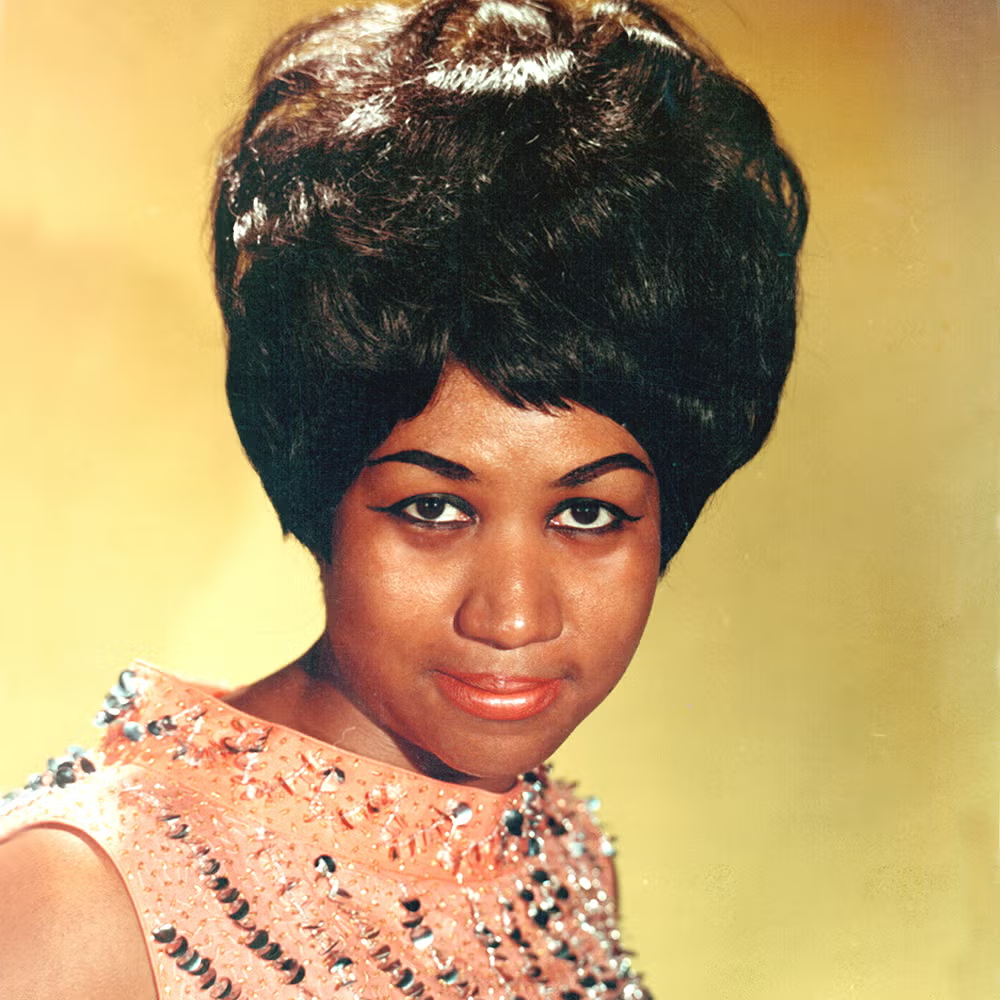
The church and gospel tradition also shaped the careers of Mahalia Jackson, one of the most important gospel singers of the twentieth century; Lou Rawls, who sang gospel before achieving success in soul and pop; Gladys Knight, who performed with her siblings in a gospel setting before becoming an international star; and Mavis Staples, whose work with the Staple Singers connected gospel, soul, folk, and civil rights music.
Later generations continued the tradition. Artists such as Patti LaBelle, Mary J. Blige, John Legend, Fantasia, and Jennifer Hudson have each drawn on church singing or gospel performance in ways that connect contemporary R&B and soul to earlier musical practices. Their paths differ, but the recurring pattern is clear: the church has remained one of the most important places where singers develop confidence, technique, and emotional communication.
Why church music produced such powerful performers
Church singing develops more than vocal strength. It teaches performers to communicate with a room, respond to an audience, and make repetition feel meaningful. A soloist must listen to the choir, the musicians, and the congregation while shaping a performance that can change from one moment to the next.
Church musicians also learn that feeling is part of technique. Breath control, dynamics, harmony, rhythm, and improvisation are not treated as separate academic exercises; they work together to convey a message. That combination helped soul singers sound convincing even when they were working with simple melodies or familiar lyrics.
The church also gave many artists access to instruments, choirs, mentors, and regular performance opportunities at a time when formal music education was not equally available to everyone. Gospel groups provided touring experience, professional discipline, and an understanding of how to build a set around emotional peaks.
The church’s influence beyond soul
The church’s contribution did not stop with soul music. Gospel’s call-and-response structure, handclaps, vocal harmonies, rhythmic drive, and dramatic delivery helped shape rhythm and blues, rock and roll, funk, disco, hip-hop, house music, and contemporary R&B.
Rock’s early development depended heavily on Black gospel and blues traditions. Singers such as Little Richard drew on church performance practices, while artists including Elvis Presley carried gospel influences into rock and pop. The ecstatic energy of gospel also helped inform funk’s extended grooves, disco’s communal dance-floor spirit, and the vocal sampling that became central to hip-hop production.
In Britain and elsewhere, American gospel, soul, and rhythm and blues inspired new generations of musicians. Their influence can be heard in the work of singers and bands across Europe, Africa, the Caribbean, and Latin America. At the same time, artists around the world have combined gospel-influenced soul with local musical traditions, creating new forms that cannot be reduced to a single American origin.
Conclusion: a debt of gratitude
It would be too simple to claim that every successful form of popular music came directly from the church. Music develops through many overlapping traditions, including African musical practices, the blues, jazz, folk music, Caribbean rhythms, classical composition, technology, and cultural exchange. Still, the church deserves a central place in the story of modern popular music.
From Aretha Franklin’s authority and Sam Cooke’s warmth to James Brown’s rhythmic command, Whitney Houston’s vocal power, and Al Green’s spiritual return, countless great artists carried lessons learned in church onto the world stage. They transformed sacred musical practices into secular songs without losing the emotional force at the heart of those traditions.
The result is a legacy that reaches far beyond soul. The world’s most successful and influential forms of popular music owe a debt of gratitude to the church — not because every song is religious, but because generations of performers learned there how to sing with conviction, respond to a crowd, tell a story, and make music feel like a shared human experience.
“Where the Artist Gets the Lion’s Share”
Join the Revolution. Keep Gospel music alive.
Artists receive 80% of all revenue collected from their music on Gtracks. Buy direct, sustain a ministry, and turn the tide for Gospel creators everywhere.
Certified DJs get free downloads. get certified?
“Do not muzzle the ox while it is treading out the grain, and ‘The worker deserves his wages.’” — 1 Timothy 5:18